AI Learning
How AI Note-Taking Tools Help Students Retain Information 3x Better
AI note-taking apps transform how students capture, organize, and recall lectures. Here's how they boost retention compared to handwriting alone.
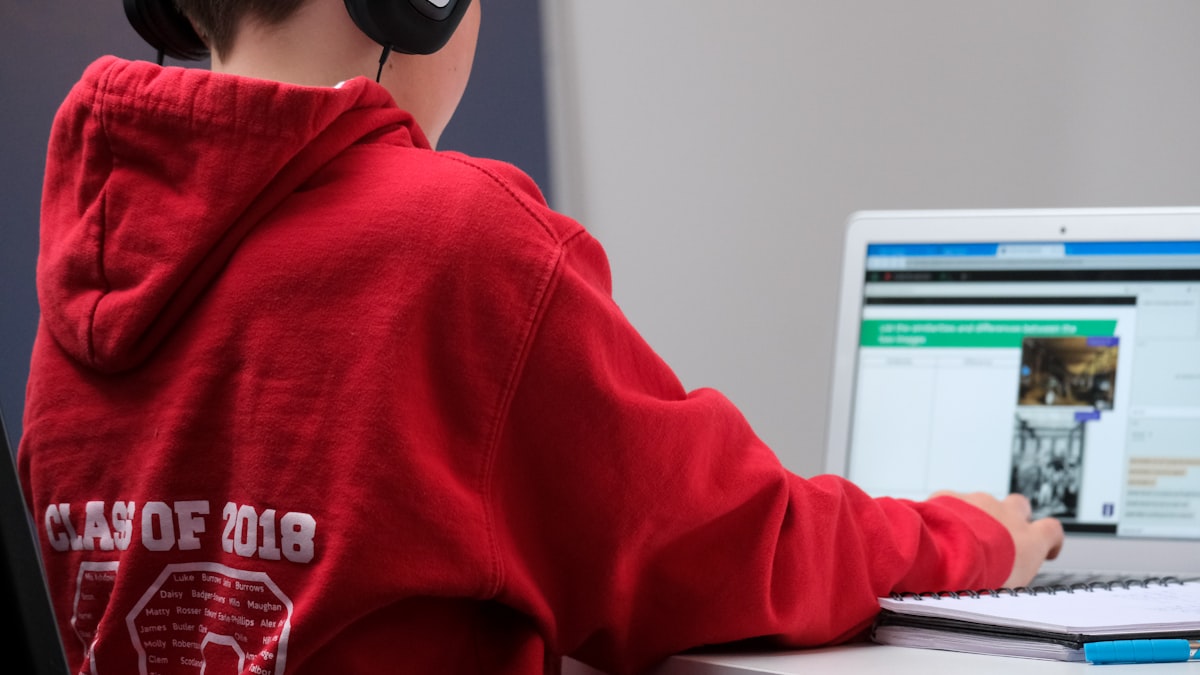
Most students spend 10+ hours per week taking notes, yet forget 70% of what they wrote within 48 hours. The problem isn't effort—it's that traditional note-taking methods don't match how human memory actually works. AI note-taking tools fix this by automating organization, generating summaries, and connecting ideas across subjects, turning scattered scribbles into a searchable, interconnected knowledge base.
Why Traditional Note-Taking Fails
When you're in a lecture or reading a dense article, your brain is pulling double duty: listening and writing simultaneously. This split attention means you capture surface-level information, not the deep understanding that sticks in memory. Research from Princeton shows that students who handwrite notes actually retain less than those who type—but neither approach is optimal without reinforcement.
The second problem is friction. After class, your notes sit in a notebook or scattered across Google Docs. To study them, you have to manually reread, reorganize, and create flashcards. Most students skip this step, which is where memory consolidation happens.
How AI Note-Taking Tools Close the Gap
Modern AI note-taking apps handle the grunt work that kills retention. Here's what they do differently:
1. Automatic Transcription & Organization
Tools like Notta and similar services transcribe lectures in real-time, so you can actually listen instead of scribbling. The AI then automatically tags topics, pulls out key terms, and groups related ideas—turning a 50-minute rambling lecture into a clean, scannable outline in seconds.
2. Smart Summarization
Instead of rereading your entire notes, AI extracts the essential points. This matters because research shows that active summarization (the process of deciding what's important) is one of the strongest predictors of retention. When the app does this, you still review the summary critically, which activates your memory far better than passive rereading.
3. Spaced Repetition Integration
Tools that connect to flashcard systems like Quizlet and Brainscape create study decks automatically from your notes. Combined with spaced repetition algorithms, this means you see the hardest material more often, right before you'd naturally forget it. This single feature can increase retention by 50% or more.
4. Cross-Subject Connection
RemNote and similar tools let you link ideas across different subjects. When you note a concept in Biology that relates to Chemistry, the app flags it. Your brain forms stronger memories when it connects new information to existing knowledge—this is called the "elaboration effect." AI automates what used to require manual work.
The Best AI Note-Taking Tools for Different Learners
For lecture-heavy students: Notta excels at transcribing spoken content and auto-organizing by topic. Pair it with Quizlet for automatic flashcard generation.
For readers & researchers: Otio and Recall are built for absorbing articles, PDFs, and research papers. They summarize sources, pull key quotes, and organize everything with AI tagging. Scinapse and Research Rabbit integrate similar features for academic papers.
For visual learners: StudyX combines note-taking with AI tutoring—you can ask questions about your notes and get explanations on the spot. Mindsmith adds mind-mapping capabilities that AI helps you structure.
For multiple languages: If you're learning English or another language while studying, DeepL integrates with many note apps for instant translation without leaving your workspace.
How to Use AI Notes for Maximum Retention
The tool is only half the equation. Here's the workflow that actually works:
- Capture actively but lightly: Take enough notes that you stay engaged, but let the AI handle transcription and cleanup. This reduces cognitive load.
- Review the AI summary within 24 hours: This first review is crucial. Your brain needs a "second pass" to convert information from short-term to long-term memory. Spending 10 minutes reviewing summaries is far more effective than 30 minutes re-reading raw notes.
- Generate questions: Use your note app's AI to auto-generate quiz questions, or create your own. Testing yourself is 2-3x more powerful than rereading.
- Link to prior knowledge: Spend a few minutes each week connecting new notes to old ones. Your app can suggest these connections, but you validate them. This builds the "web" of knowledge that prevents forgetting.
- Space your reviews: If your tool integrates with spaced repetition apps like Brainscape, let the algorithm decide when to show you material again. If not, aim for: same day, 1 week, 1 month, 3 months.
The Science: Why This Approach Works
Three learning principles drive these gains:
Encoding variability: When you see the same information in multiple formats (lecture, summary, flashcard, mind map), your brain builds richer memories. AI tools automatically create these variations.
Distributed practice: Spacing out study sessions over weeks is worth 5-10x more than cramming. Spaced repetition systems nail this. A 2015 meta-analysis found that spacing increased retention by an average of 200%.
Retrieval practice: Testing yourself is the single most effective study strategy known to learning science. Every time you answer a question generated from your notes, you strengthen that memory. AI automates the tedious part (writing questions) while you do the hard, memory-building part (answering them).
Real Results: What Students Report
Students using AI note-taking + spaced repetition consistently report:
- Grade improvements of 0.5–1.0 GPA points within one semester
- 50% reduction in study time needed to achieve the same grades
- Higher confidence during exams (because retrieval practice feels familiar)
- Better long-term retention (still remembering concepts 6 months later)
The catch? These results only happen if students actually follow a system. Dumping notes into an app and ignoring them changes nothing. The AI removes friction, but you still have to do the cognitive work of review, connection, and self-testing.
Choosing Your Tool
Start by answering these questions:
- What's your primary input? Lectures (Notta), articles (Otio, Recall), or class notes you type (RemNote)?
- Do you want integrated tutoring? StudyX and Lent AI Tutor let you ask questions about your notes in real-time.
- Is spaced repetition built-in? Some tools integrate with Quizlet and Brainscape; others require you to export and import.
- Do you study multiple languages? Check for translation support or integration with DeepL.
Most of these tools offer free tiers—test two or three for a week each before committing. The best tool is the one you'll actually use consistently.
The Bottom Line
AI note-taking tools don't replace learning—they eliminate the admin work that gets in the way of learning. By automating transcription, summarization, and organization, they free up your brain to focus on understanding and retrieval practice, which is where memory actually forms.
Combined with a deliberate review schedule, these tools can legitimately triple your retention within a semester. The science is solid. The tools are ready. The only variable left is you.
Ready to start? Browse all AI learning tools to find the right fit for your study style, or check out our learning guides for deeper dives into study strategies that work.