Language Learning
1000 Most Common Spanish Words You Can Use In Every Conversation
This guide focuses on accelerating Spanish language proficiency by learning the most common Spanish words, covering approximately 88% of everyday vocabulary with just 1,000 words.
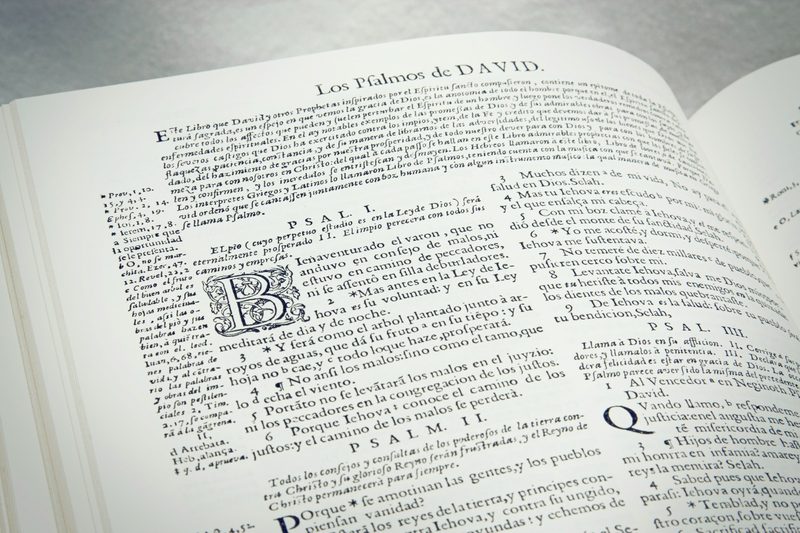
Learning 1,000 of the most common Spanish words significantly boosts your language proficiency, covering around 88% of everyday vocabulary. This approach is especially useful for beginners, facilitating faster learning and effective communication in various conversations. Here's an organized list of some basic but essential Spanish words across different categories:
Most Common Spanish Nouns and Pronouns
- Nouns: año (year), caso (case), día (day), hecho (fact), mundo (world), estado (state), gobierno (government), hombre (man), momento (moment), país (country), tiempo (time, weather), trabajo (work), casa (house), parte (part), vez (time, once), vida (life), cosas (things), España (Spain), política (policy, politics), gente (people), lugar (place), ejemplo (example), personas (people), mujer (woman)
- Pronouns: yo (I), tú (you), él (he, him), ella (she, her), usted (you, formal), nosotros/as (we), ellos/as (they), se (himself, herself, itself, yourself, themselves, each other), lo (it, that), me (to me), te (to you), nos (to us, ourselves), le (to him, her, you), su (his, her, your), sus (his, her, your, their), nada (nothing), algo (something)
Common Spanish Adjectives
- Adjectives: este/esta (this), todo/toda (all), esos/esa (that), mismo (same), otro/otra (other, another), bueno (good), tanto (so much), otros/otras (other, others), poco (little, not much), mucho (much), gran (great, big), general (general), mayor (bigger, older), mejor (better), tal (such), primera (first), algunos (some)
Most Used Spanish Verbs
- Verbs: es (is, are), ha (has, have), son (are), está (is, are), hay (there is, there are), ser (to be), era (was, were), había (there was, there were), tiene (has, have), fue (was, were), puede/pueden (can), han (have), hacer (to make, to do), decir (to say), va (goes), estaba (was, were), ver (to see), están (are), sido (been), dijo (said), tener (to have), tenía (had), creer (to believe), dice (says, say), vamos (we go, we are going), parecer (to seem), poder (to be able to)
Spanish Adverbs and Prepositions
- Adverbs: no (no, not), sí (yes), más (more), también (also), muy (very), ya (already, now, soon), así (so, like this, like that), bien (well), ahora (now), siempre (always), solo (only), tan (so), entonces (then), después (after, later), menos (less), aquí (here), antes (before, earlier), hoy (today), luego (then, later), casi (almost), nunca (never), además (besides, in addition)
- Prepositions: en (in, on, into), con (with), por (through, for, along, by), para (for, in order to), sin (without), sobre (about, on top of), hasta (until), entre (between, among), desde (from, since), durante (during, for), contra (against), hacia (toward), según (according to)
Spanish Conjunctions
- Conjunctions: y (and), o (or), como (as, like), que (that, who, which, than), si (if), porque (because), cuando (when), ni (nor, neither), donde (where), aunque (although, even though), sino (but, except), mientras (while)
These essential words form the foundation for engaging in daily conversations, improving your comprehension, and facilitating learning in a structured manner. Practice these words regularly with language partners or tutors to enhance your fluency and confidence in Spanish.
If you're interested in improving your Spanish skills, you should try some of these cool options: Check out Babbel for fun, interactive lessons that fit into your day easily. If you want something more in-depth, there's a great Spanish course on Coursera that covers everything from the basics to more advanced topics. And if you prefer learning with a personal touch, Lingoda offers classes with native speakers that can really help you practice speaking.