AI Learning
How to Use AI to Fact-Check Your Learning Materials
Learn practical ways to verify research, spot misinformation, and build confidence in your study materials using AI tools.
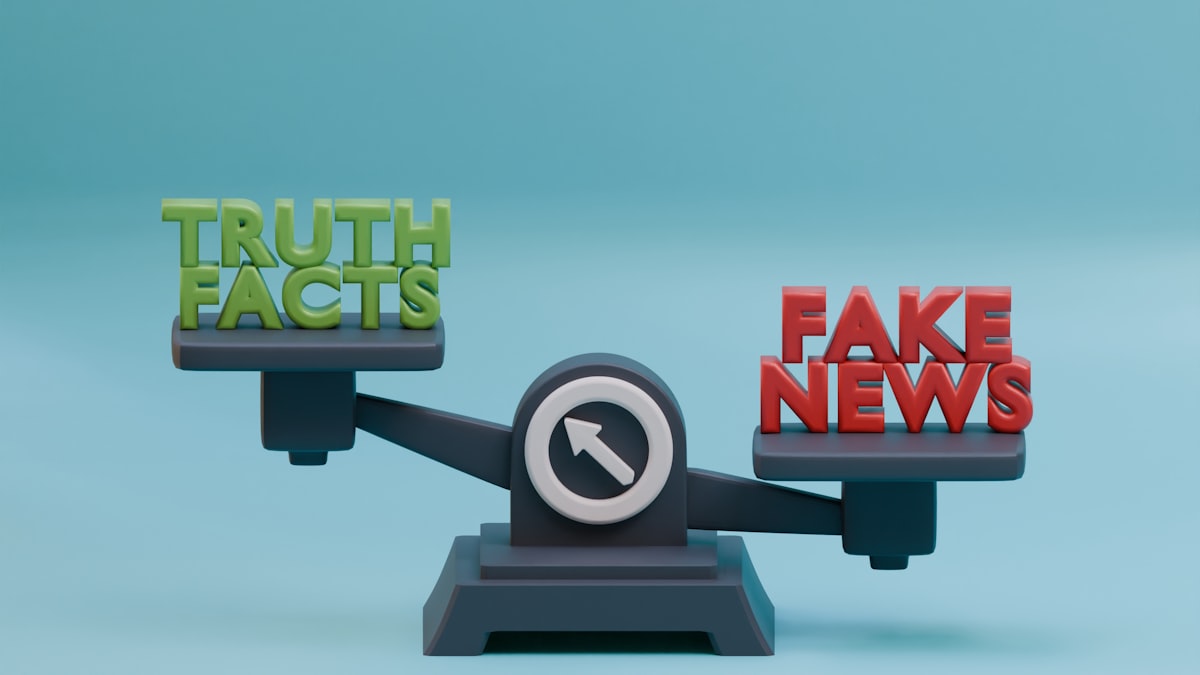
Whether you're writing an essay, building a course, or studying for an exam, you've probably wondered: is this information actually correct? AI-powered fact-checking tools can help you verify claims, spot outdated information, and ensure your learning materials are reliable before you invest time studying them.
Why Fact-Checking Your Learning Materials Matters
Misinformation spreads faster than ever. A Wikipedia article might be edited by someone with an agenda. A blog post could contain outdated statistics. Even textbooks sometimes include errors that aren't caught until years later. When you're building knowledge in any field—whether it's science, history, business, or language—starting with verified facts saves you time and prevents you from learning incorrect information that could mislead you in the future.
For course creators and educators, fact-checking is non-negotiable. Your reputation depends on accuracy. For students, it's about developing critical thinking skills that will serve you long after you finish a course.
AI Tools Built for Research & Verification
Perplexity for Cross-Referenced Answers
Perplexity is one of the most practical tools for fact-checking because it shows you its sources directly. When you ask a question, it doesn't just give you an answer—it shows which websites, academic papers, and publications it pulled information from. This lets you verify claims by checking the original sources yourself.
How to use it: Paste a claim or statement into Perplexity and ask it to verify the information. Review the sources it cites. If those sources are credible (academic journals, government databases, established news outlets), you've got confirmation. If the sources are weak or unclear, dig deeper.
RefSeek for Academic Research
RefSeek specializes in academic papers and scholarly sources. If you're studying a complex topic and want to know what peer-reviewed research says, this tool helps you find and evaluate legitimate academic sources. Peer-reviewed means experts in the field have already vetted the work, making it more reliable than random blog posts.
This is especially useful if someone makes a scientific or historical claim in your learning materials. You can search RefSeek to see whether that claim appears in published research.
Research Rabbit for Source Mapping
Research Rabbit helps you visualize connections between research papers and sources. It's excellent for understanding whether a claim has broad support across multiple studies or whether it's based on just one small study. When many independent researchers reach similar conclusions, the information is more trustworthy.
Detecting AI-Generated & False Content
GPTZero for Identifying AI-Written Content
Sometimes the problem isn't just false information—it's fabricated information created by AI to sound convincing. GPTZero detects whether text was written by AI or humans. This matters because AI can confidently state false information, especially when asked to write on unfamiliar topics.
If you're reading course material or research summaries, running them through GPTZero tells you whether a human expert wrote it or a language model generated it. Human-written content from experts is generally more trustworthy, though AI-written content can still be useful—you just need to fact-check it more carefully.
ZeroGPT as a Secondary Check
ZeroGPT is another AI-detection tool that works differently from GPTZero. Using multiple detection tools gives you higher confidence. If both flagged a passage as AI-generated, it probably is.
Checking Claims in Specific Subjects
For Scientific & Medical Claims
If you're learning about health, medicine, or science, use RefSeek and Research Rabbit to find peer-reviewed studies. Check whether claims come from reputable institutions (university research, government health agencies, established medical centers) or from commercial interests that might be biased.
Watch out for studies funded by companies selling a product—they're more likely to show favorable results for their own product than independent research.
For Historical & Political Claims
History is often interpreted differently depending on perspective. Perplexity is helpful here because you can see which sources it used and compare what different outlets say. If credible news organizations, academic historians, and government records all agree on a fact, it's likely accurate. If sources disagree sharply, that's a signal to dig deeper and understand why they disagree.
For Statistics & Data
Numbers lie when they're taken out of context. A statistic that sounds shocking might be misleading if you don't know the full story. With Perplexity, ask for the original source of any statistic. Then check: Who collected this data? How was it measured? Are there any limitations the author mentions? Sometimes a true statistic is presented in a way that suggests a false conclusion.
Building a Fact-Checking Workflow
Here's a practical process you can follow:
- Identify the claim. What specific statement are you checking? "AI will replace 50% of jobs by 2030" is different from "AI is improving workplace productivity."
- Search for sources. Use Perplexity or RefSeek to find credible sources that discuss this claim.
- Check the original source. Don't rely on a summary—read or skim the original paper, study, or article if you can access it.
- Look for consensus. Do multiple independent sources reach the same conclusion? Or is this claim controversial?
- Note the date. Information expires. A statement about technology from 2015 might be completely outdated by 2025.
- Check for bias. Who funded this research or wrote this article? What's their incentive? Are they trying to sell you something?
Tools That Complement Fact-Checking
Several tools help you organize and verify your research more systematically:
- Mendeley Suggest helps you organize research papers and identify relevant studies for cross-checking information.
- NotebookLM lets you upload documents and ask questions about them. This helps you verify whether a paper actually supports the claim someone made about it.
- Academia.edu AI connects you to researchers and their work, helping you find authoritative sources on niche topics.
If you're building course content, explore AI tools specifically designed for content creators and educators.
Red Flags That Signal You Need to Fact-Check
Train yourself to recognize when a claim needs verification:
- Extreme or shocking statements ("This one weird trick doctors don't want you to know")
- No sources cited or vague attribution ("Studies show..." without naming the study)
- Emotional language designed to make you angry or scared
- Claims that contradict what you've learned from multiple credible sources
- Information that seems to have an obvious commercial motive behind it
- Content that's significantly older than the topic warrants
The Human Factor Still Matters
AI tools are powerful, but they're not perfect. They work best when you use them thoughtfully. A tool like Perplexity might cite a source that sounds credible but turns out to be a biased blog. Always verify with your own judgment. If something seems off, dig deeper. Read multiple sources. Think critically about what you're reading.
For deeper learning on evaluating sources, check out online courses on research skills and critical thinking. Many platforms now include modules specifically on spotting misinformation and evaluating sources.
Putting It Into Practice
Start small. Pick one claim from something you're studying right now. Run it through Perplexity. Check the sources it lists. Spend 15 minutes investigating. You'll quickly develop an intuition for what's reliable and what isn't.
When you're learning, accurate information saves you time and builds genuine knowledge. When you're teaching or creating content, fact-checked materials build trust and credibility. AI makes this process faster and easier—but your critical thinking is what makes it effective.
Want more on building strong study habits and learning strategies? Browse our learning resources for guides on research, note-taking, and how to learn effectively.